Parentese: Conversations with Babies
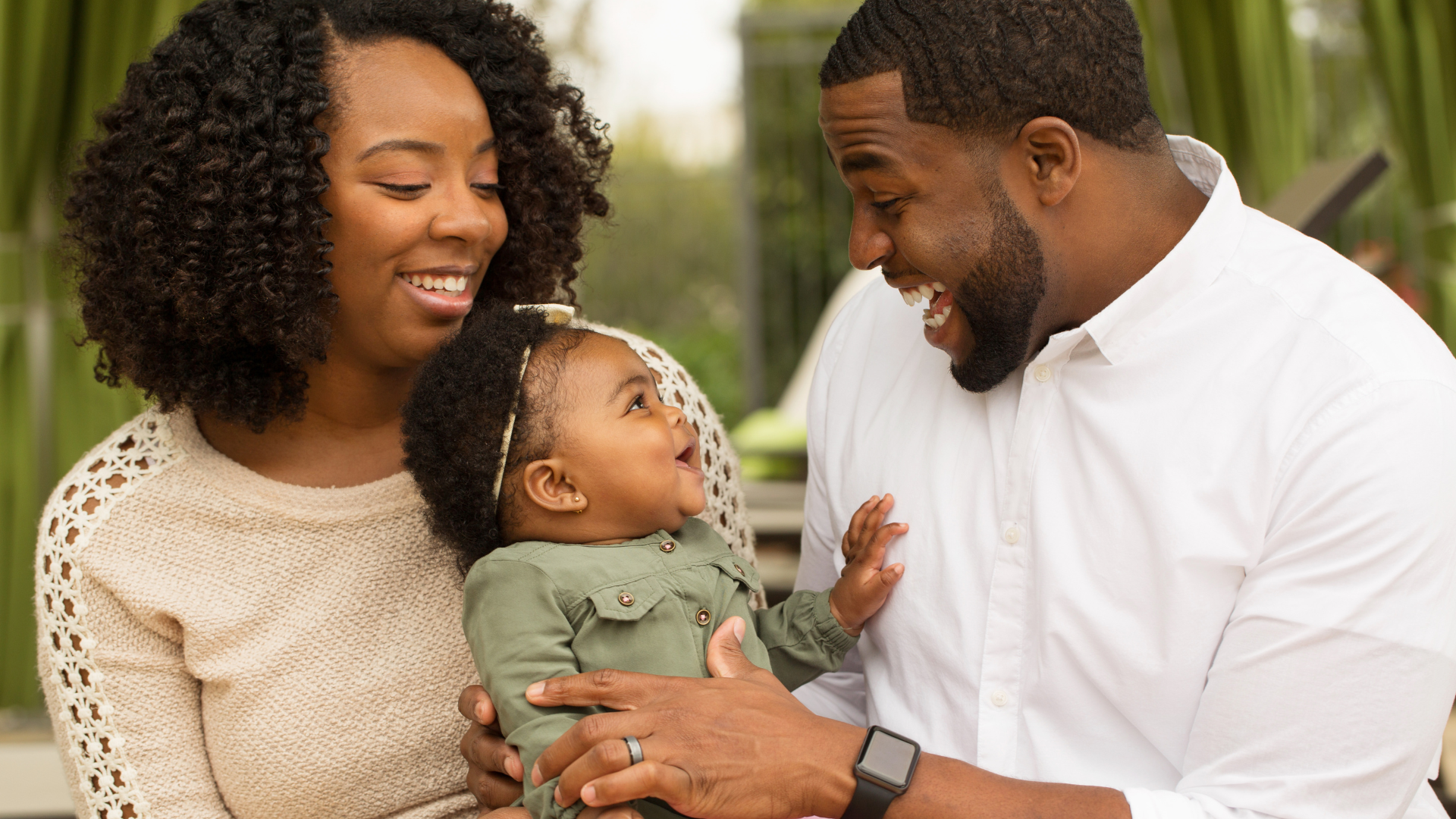
In the early days with my current nanny family, it would not be surprising to find me talking out loud, seemingly to myself. The thirteen-month-old had no ability to participate in conversation with me beyond giving me eye contact, pointing, and a few babbles. Often, during her lunchtime in the kitchen, while she sat at my feet with her toys, our conversations sounded like this鈥�
鈥淩ight now I鈥檓 cracking an egg. Next, I鈥檒l pour some milk and sprinkle a little salt into the bowl鈥�.
Blank stare towards me
鈥淚鈥檓 also going to rip up some spinach and add that. I assume this is okay with you?鈥�.
Chews on her toy while giving me eye contact
鈥淚 really like cheddar cheese in my omelettes. Do you want to try cheddar cheese in your omelette?鈥�.
鈥淏ah bah buh bah!鈥�.
Or almost every day outside in the stroller, crouched down to her eye level鈥�
鈥淟et鈥檚 turn right on Rangely Road. I know we both really like to look at the foliage on this street鈥�.
Sips milk from her bottle
鈥淭his weekend, my brothers and I are going for a nature walk to check out the foliage. I feel really excited, I love spending time with my brothers. What are you doing this weekend?鈥�.
Grabs my nose with both of her hands and babbles
Had there been a nanny cam on me in these moments, I fear for what my mom boss and dad boss may have thought about me talking out loud to myself and their baby, who cannot answer me with words. However, every single conversation was not only reciprocal but an intentional choice. Each and every choice I make when interacting with babies and toddlers, that would seem small, inconsequential, or even a little crazy to most, is actually a choice backed by scientific research. In this ____blog, we鈥檒l explore the importance of conversational speech with babies and how it can influence their cognitive, social, and emotional development.
Motherese
Motherese refers to the high-pitched, exaggerated, sing-songy way of speaking, used by adults to babies and toddlers. 鈥淢otherese鈥�...totally modern and unoffensive, right? Recently, the literature has amended this language and adopted 鈥減arentese鈥� and 鈥渋nfant-directed speech鈥�, or IDS. For a long time, I, along with most child development professionals, found IDS to be a highly disrespectful and demeaning way of speaking to anyone. At around twenty weeks of gestation, babies develop hearing strong enough to hear what is going on outside of the womb. This means that for approximately twenty weeks after that, your baby is listening to you and the people around you, talk. Then, they鈥檙e born into this new, unfamiliar world and people are suddenly speaking to them in strange, squeaky voices they don鈥檛 recognize. I found it completely affronting.
is changing my mind. Using parentese activates the parts of your baby鈥檚 brain that recognize words. It helps retain their attention when exposing them to language, and according to HeadStart, 鈥渢he variations in pitch and the slower pace help children learn to identify the sounds, words, and rhythms of language.鈥� Parentese is very important for enhancing the sound of our voices to engage babies and give them a reason to want to participate in conversational turn-taking with us. This conversational turn-taking leads to higher outcomes in language development, reading skills, social awareness, and success in school. The is to always use full sentences and real words.
Emergent Literacy Skills & Brain Development
Conversational turn-taking in infancy can directly result in higher success rates in emergent reading skills, language development, IQ scores, and executive functioning in typically developing children. It is even more predictive than the quantity of words used with your baby. In their study using MRI imaging and standardized reading tests, LENA (Language Environment Analysis) found that, 鈥�...children who were talked with more frequently at home had more gray matter in the surface area of the left perisylvian cortex, an area of the brain associated with language production and comprehension鈥hile adult words and conversational turns both affected brain growth, the effect size was 15 percent higher for conversational turns, confirming that quality is more important than quantity when talking with children鈥�. This brain growth directly supports reading skills.
Social Emotional Development
There are many ways you can use conversational turn-taking to support your baby鈥檚 social and emotional development. Mainly, simply comment on what they or you are doing, thinking, or looking at, and name the emotions th鈥攁t might come with those experiences. For example, 鈥淵ou wanted the cookie and I said no. I see that makes you feel frustrated鈥�, or 鈥淚 noticed that you offered your toy to your friend. That made them feel happy鈥�. This strategy helps children identify and understand emotions, which can lead to higher rates of emotional regulation skills in the future. Chilean researchers Estaban G贸mez Muzzio and Katherine Strasser found that, 鈥�...emotional regulation, attachment, and emotional communication at 30 months of age were all significantly predicted by conversational turns at 18 months of age鈥etermining that babies鈥� language environments predict their social and emotional skills one year later鈥�. When Muzzio and Strasser continued their data collection they found, 鈥淐onversational turns at 30 months of age were shown to predict social-emotional competencies at 77 months of age, for socioemotional cognition, emotion regulation, and emotional communication鈥�.
With all this being said, what counts as conversational turn-taking at the varying stages of development? From babies, coos, babbles, and even eye contact would count. Also considered are mispronounced word attempts from toddlers, communicative noises, and partial or full sentences from preschoolers. Getting down to their eye level is also quite important so that your baby or toddler can see your mouth movements and your facial expressions when you speak.
In Conclusion
Ultimately, the small, everyday moments of talking with babies, whether narrating your cooking, chatting during stroller rides, or responding to a babbled 鈥渂ah bah buh鈥�, are powerful acts of shaping a child鈥檚 developing mind. Parentese and intentional conversational turn-taking don鈥檛 just create connection; they actively build the neural and linguistic foundations that support reading, reasoning, emotional understanding, and long-term academic success. By engaging infants in rich, responsive dialogue, we expand the variety and breadth of their lexicon, helping them form stronger word associations and deeper language comprehension from the very beginning. Support from a highly-qualified nanny can ensure that your baby is receiving this level of engagement even when you鈥檙e not there. These seemingly simple exchanges form the scaffolding for lifelong communication, learning, and social-emotional well-being, and they prove that even the quietest early conversations truly matter.
References
N. Ferjan Ram铆rez, S.R. Lytle, & P.K. Kuhl, Parent coaching increases conversational turns and advances infant language development, Proc. Natl. Acad. Sci. U.S.A. 117 (7) 3484-3491, https://doi.org/10.1073/pnas.1921653117 (2020).
U.S. Department of Health & Human Services, Administration for Children & Families, Office of Head Start. (2024, December 23). Early Social Interactions Build Connections in the Brain [Brief].
LENA. (2019, September 10). New research strengthens link between adult-child conversation and brain structure, reading skills. LENA.
Interested in working with us to find your next job? Learn more about joining our nanny agency now!
Welcome to 糖心vlog传媒, a nanny agency with presence in Boston, Chicago, Washington DC, New York, and nationwide. We help busy families find dedicated and caring college-educated nannies.
If you enjoyed this article, you might also like 鈥�Sleep Training Advice from Boston's Leading Nanny Agency鈥�.
If you鈥檙e a family interested in learning more about our nanny services, head over here.
If you鈥檙e a nanny looking for a new family to work with, you can apply to become a Sommet Nanny.